映像作家100人2023

※並び順はランダムです

Mood Hall -side B- | Mood Hall [side B] - 映像作家: kawaiokamura
3DCGAnimationArt workExperimental filmOriginalShort film

Mood Hall -side B- | Mood Hall [side B]

2022
00:33:34
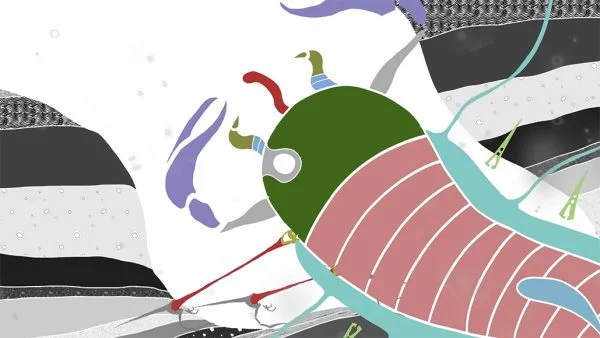
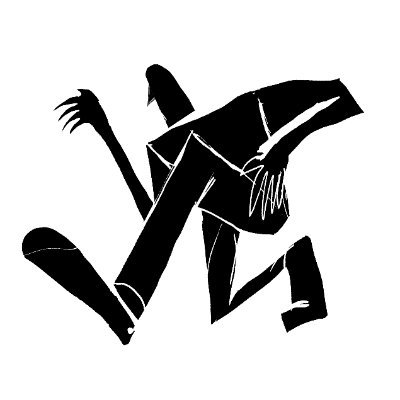
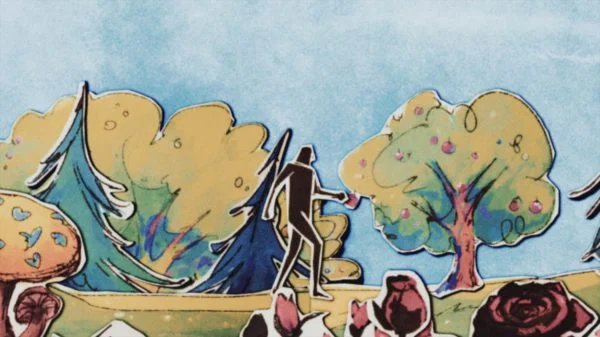
“33 minutes and 33 seconds needed before the world ends” A dying Earth. A strange game played by the survivors: “Mood Hall.” A mysterious middle-aged gentleman and a beautiful woman, appearing and disappearing. Little people. Giants. A party. A desert. The bottom of a pool. Dance. Day and night, repeated again and again. Experimental, artistic, adventurous, half sci-fi, half mystery: a densely layered labyrinthine world made of sketches. A masterpiece of film that strips away words and leads you into a world of seeing and hearing alone! ・・・・・・・・・・・・・・・・・・・・・・・・・・・・・・・・ In 2016, “Mood Hall” was presented as the latest installation in Kawaiokamura’s retrospective exhibition. It was Kawaiokamura’s first new work in nine years, with sound direction for the entire solo show handled by Mariko Harada. In 2019, “Mood Hall” was completed as a film work, and in 2020 it was released theatrically at Demachiza, a cinema in Kyoto. The music, of course, was by Mariko Harada. It brought the richly layered 33-minute-and-33-second world of image and sound to the screens and speakers of the movie theater. In 2022, the music for “Mood Hall” was completely rewritten by Kazumichi Komatsu. It was made neither as an installation nor for a cinema, but as a composition intended for streaming. Reading the visuals like a score, he struck the sound against the images so powerfully that they changed, and linked each segment through a distinctive sense of floating weightlessness. Reconstructed through Komatsu’s bold interpretation, “Mood Hall” was named “Mood Hall side B.”
Spring of the Boundary - 映像作家: jacksonkaki
3DCGPerformanceVRXR

Spring of the Boundary

2022
00:23:40
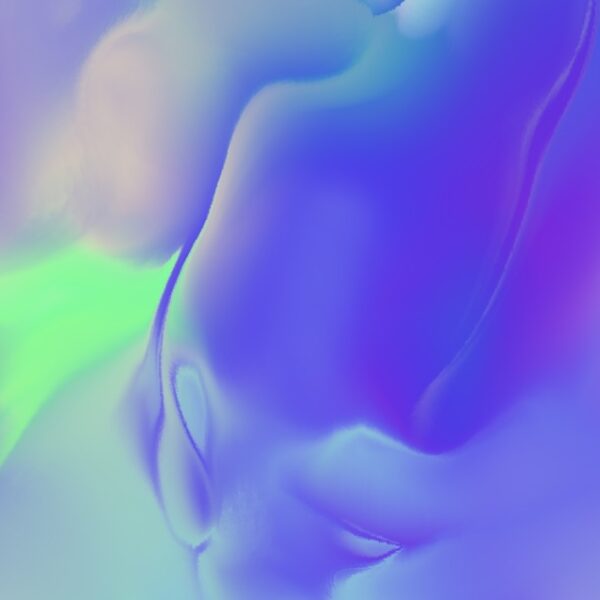
JACKSON kaki creates works about virtual reality, the metaverse, and art. In this exhibition, the artist presents a performance using VRChat in order to examine corpses in the age of virtual reality, and exhibits the recorded footage as the artwork. The metaverse has become such a common term that many people can readily imagine it. JACKSON kaki critically observes the business-oriented and tool-oriented metaverse, which is treated as a kind of utopia, and explores expression by connecting it to the body, space, society, and culture in physical space. This work focuses on the phenomenon of the “corpse.” In the metaverse, it is possible to express the body through avatars; unlike social media, which is built through the exchange of text, images, and video, it enables more immersive experiences and the formation of human relationships that differ from those in reality. The artist began this work by questioning how corpses are perceived and handled by humans in spaces where avatars are used. In many currently available metaverses, the “depiction” or “programming” of corpses has not been prepared. JACKSON kaki interprets this state as a culture in which awareness of and understanding of corpses has not been formed, or has in some sense regressed, and undertook this work as an artistic examination and practice of expression. As a means to this end, the artist creates a “story” that references ancient civilizations shaped by mythology and gods, and connects them to the contemporary metaverse. Based on that story, a “ritual” for handling corpses is constructed, and this ritual is performed and recorded. Through the body in performance within metaverse space and the “handling” of corpses, this work asks how we perceive and recognize corpses in the age of virtual reality.

Loading...

No more content

Error loading content